

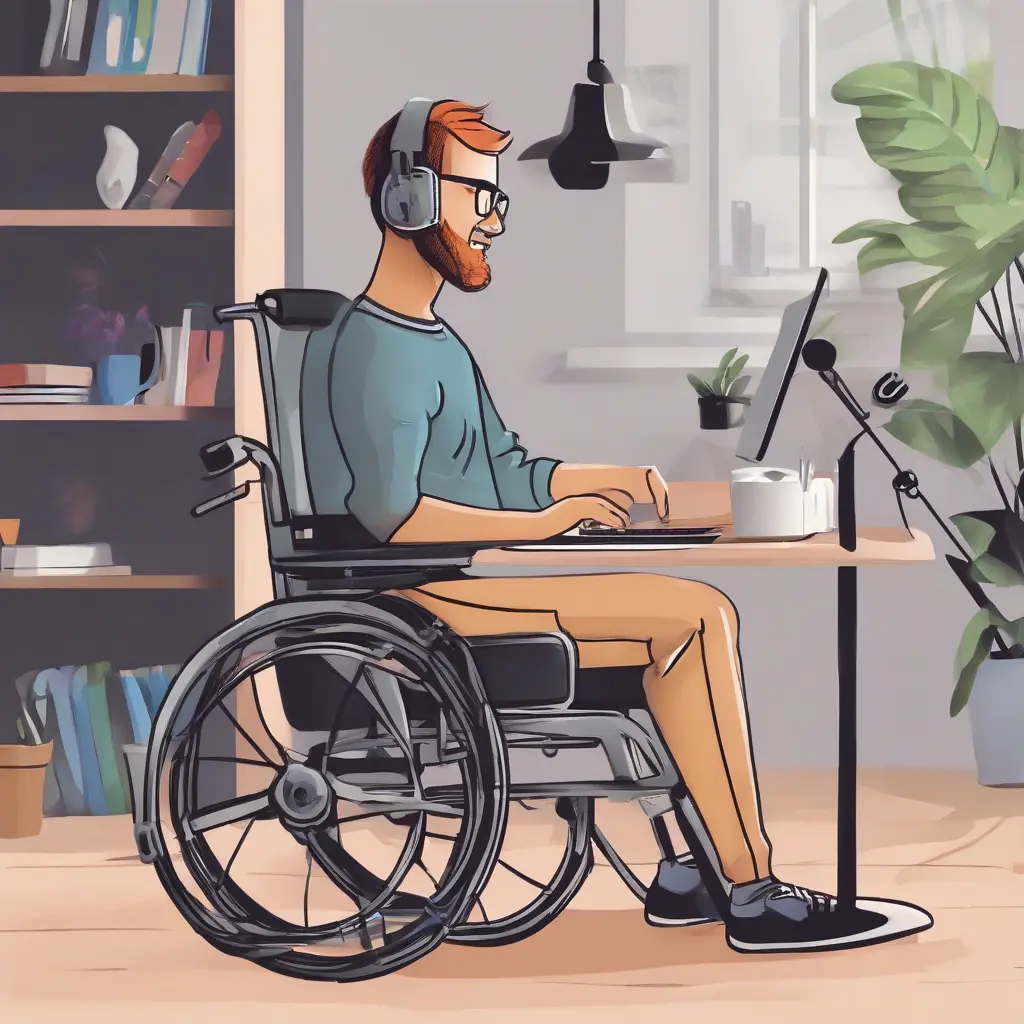
Remote work has gained widespread recognition as a transformative model in today’s professional landscape, offering unprecedented flexibility and opportunities. For individuals with disabilities, it often emerges as a vital pathway that bridges barriers traditionally rooted in physical workplaces. This article delves into the myriad benefits of remote work for people with disabilities, emphasizing not only how it enhances accessibility but also how it fosters independence, productivity, and inclusion in the workforce.
Increased Accessibility
One of the most significant advantages of remote work for individuals with disabilities is increased accessibility. Traditional office environments may present numerous barriers, such as inaccessible buildings or transportation challenges. Remote work eliminates these constraints, allowing employees to create a workspace that caters to their specific needs. This flexibility means that individuals can utilize assistive technologies and adapt their surroundings to enhance comfort and efficiency.
Flexible Work Hours
Flexibility in work hours is another compelling benefit of remote work for those with disabilities. Many individuals may face fluctuating health conditions that impact their ability to work consistent hours. Remote work allows for personalized scheduling, enabling employees to work during their most productive times, whether that’s early in the morning or late at night. This personalized approach supports better work-life balance, which is essential for overall well-being.
Enhanced Job Opportunities
The shift to remote work has significantly expanded job opportunities for individuals with disabilities. Geographic limitations have often hindered the job search for many, but remote positions are available across various industries, regardless of location. This wider talent pool enables people with disabilities to pursue careers that align with their skills and interests without the limitations of commuting or relocating.
Improved Mental Health
Remote work can also positively impact the mental health of individuals with disabilities. The stress and anxiety associated with navigating traditional work environments—often filled with physical and social barriers—can be overwhelming. In a remote setting, individuals can establish a comforting atmosphere that reduces overall stress levels. Furthermore, the ability to work from home can foster a sense of autonomy and control over one’s environment, improving mental well-being.
Bolstering Independence
For many individuals with disabilities, remote work bolsters independence in both personal and professional realms. By reducing the need for daily commutes and navigating public spaces, remote work allows employees to manage their time and tasks more effectively. This independence can enhance self-esteem and confidence, empowering them to take on new challenges and responsibilities without the constant interference of accessibility barriers.
Fostering Inclusion in the Workplace
Remote work fosters a more inclusive environment, enabling individuals with disabilities to participate fully in the workforce. Diverse teams that include individuals from all backgrounds contribute to creativity and innovation. Employers who embrace remote work policies often experience improved company culture and a stronger sense of community—benefits that stem from the genuine inclusion of diverse perspectives, including those from disabled individuals.
Skill Development Opportunities
Remote work also provides ample opportunities for skill development, essential for career advancement. Many remote positions come with access to online training resources and professional development courses, allowing individuals to upskill while balancing their work responsibilities. This access ensures that employees with disabilities remain competitive in an ever-evolving job market, ready to tackle new challenges and opportunities.
Reducing Transportation Barriers
Transportation is often a significant hurdle for individuals with disabilities. Remote work eliminates the need for daily travel, reducing the strain and challenges that may come with accessing public transport or accommodating personal transport needs. This reduction in transportation barriers not only saves time and energy but also streamlines the path to employment for those who may have previously struggled with these logistical issues.
Boosting Productivity
Remote work has been shown to boost productivity across various demographics, including individuals with disabilities. The comfort of a tailored workspace and the elimination of common office distractions can lead to higher efficiency and output. When individuals can create an environment that caters to their unique needs, they often find themselves more focused and engaged in their tasks, leading to improved job performance.
Creating a Supportive Community
Many remote work platforms provide opportunities for employees to connect, collaborate, and support one another. For individuals with disabilities, being part of a supportive community can be incredibly empowering. Virtual networking events and online forums allow employees to share experiences, challenges, and solutions, creating a robust network that fosters both personal and professional growth.
Conclusion
In conclusion, remote work presents a multitude of benefits for individuals with disabilities, ranging from increased accessibility to a stronger sense of independence. As the workforce continues to evolve, embracing remote work opportunities creates a more inclusive and diverse professional environment. Enabling people with disabilities to thrive in remote settings not only enhances their lives but also enriches the workforce as a whole.