

Working from home can be a double-edged sword; while it offers flexibility, it may also lead to increased stress. Many remote workers find themselves juggling professional responsibilities with personal commitments, leading to burnout. Understanding effective strategies for managing stress while working remotely is essential for maintaining both mental health and productivity. This article explores practical methods, which can help create a more balanced work-life dynamic, reduce anxiety, and foster a positive remote working experience.
Set a Structured Daily Routine
Having a well-defined daily routine can bolster productivity while reducing stress. Establishing regular work hours helps create a clear boundary between professional and personal time. Start your day at the same time, take scheduled breaks, and have a consistent lunch hour. This structure not only aids in time management but also helps in establishing a rhythm that can lead to increased focus and efficiency. Incorporating time limits on tasks can further prevent the feeling of overwhelm that often accompanies remote work.
Create a Dedicated Workspace
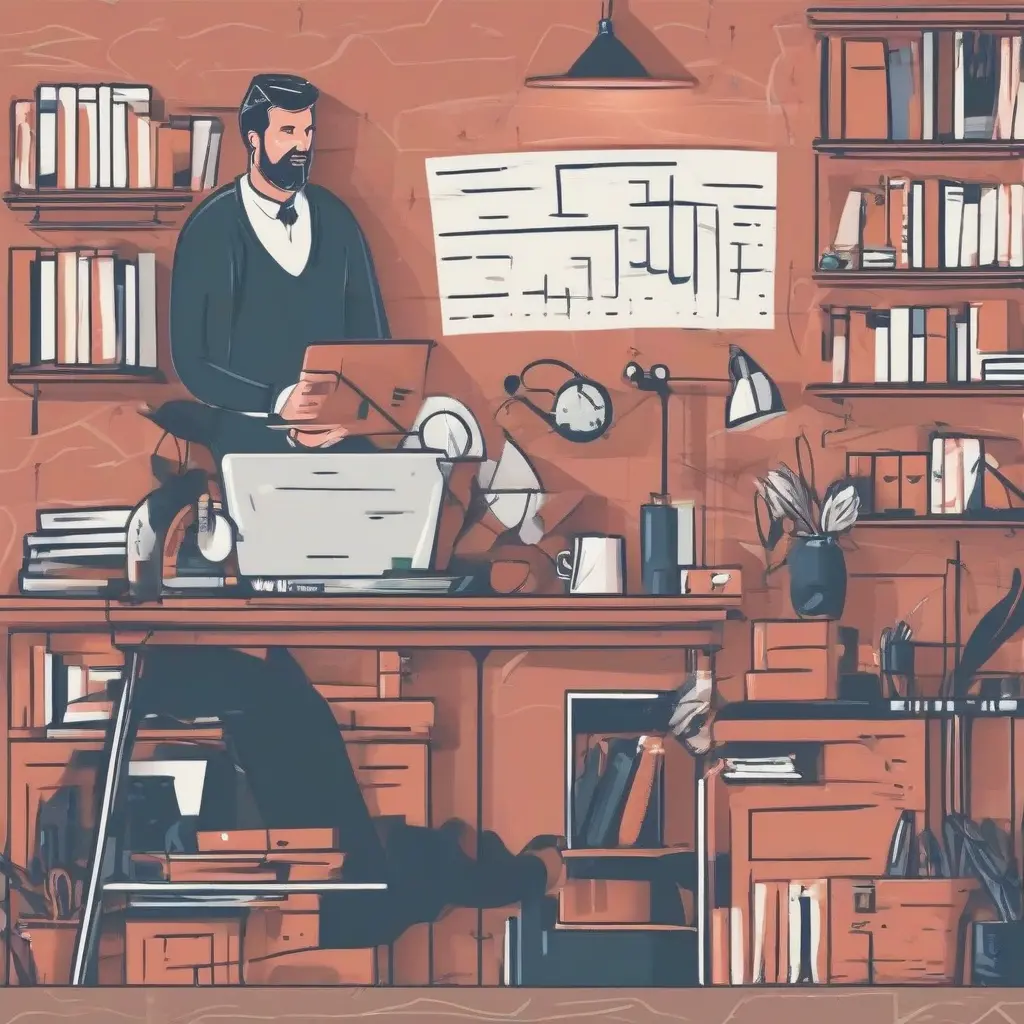
Designating a specific area for work can significantly enhance focus and productivity. This space should ideally be separate from personal areas to help establish boundaries. A well-organized workstation can eliminate distractions and create a conducive environment for concentrating on tasks. Ensure that your workspace is comfortable, well-lit, and equipped with everything you need to perform your job effectively. This separation can create a mental distinction, signaling to your brain when it’s time to work and when it’s time to relax.
Practice Mindfulness and Relaxation Techniques
Incorporating mindfulness practices into your daily routine can greatly reduce stress levels. Techniques such as deep breathing, meditation, or yoga offer individuals tools to stay grounded and focused. Frame regular breaks throughout your day to practice these techniques. Even a few minutes of mindfulness can help regain clarity and calm mental chatter. Many apps are available that provide guided sessions, making it easy to integrate these practices into your busy schedule, thus relieving tension and enhancing overall well-being.
Maintain Healthy Boundaries
Establishing healthy boundaries with colleagues is crucial for stress management while working remotely. Communicate your working hours clearly to prevent any work-related interruptions outside these times. Use technology to your advantage by updating your availability status in communication tools, ensuring that your coworkers are aware of when you are and aren’t reachable. Respecting personal time not only aids in stress reduction but also helps foster a more collaborative work environment.
Engage in Regular Physical Activity
Regular physical activity has numerous benefits for mental health, making it an essential component of stress management. Engaging in exercise releases endorphins, which are natural mood lifters. Whether it’s a brisk walk, home workouts, or yoga, incorporating physical activity into your routine can serve as an excellent way to recharge. Aim for at least 30 minutes a day; this will not only boost your mood but also enhance concentration, productivity, and overall health in a remote work setting.
Stay Connected with Colleagues
Isolation can be a significant stressor for remote workers, underscoring the importance of staying connected with colleagues. Use video calls and chat tools to communicate regularly, fostering a sense of community. Consider scheduling casual virtual coffee breaks to maintain social interaction. Engaging with peers helps mitigate feelings of loneliness and provides a support system to share challenges and successes, which can be particularly comforting when working from home.
Eat Nutritious Foods
Nutrition plays a significant role in managing stress levels and maintaining mental clarity. Consuming a balanced diet rich in fruits, vegetables, whole grains, and lean proteins can provide the fuel your body needs to function optimally. Avoid relying on caffeine or sugary snacks, as these can lead to energy crashes and increased anxiety. Prepare healthy meals and snacks ahead of time to ensure you have nutritious options readily available during your work hours, which will help sustain your energy levels.
Limit Screen Time After Work
After a long day of screen time, it’s crucial to prioritize some tech-free relaxation. Limiting exposure to screens during your off-hours helps prevent digital fatigue, which can contribute to stress. Engage in hobbies, read a book, or spend time outdoors instead. Mindfully transitioning to non-digital activities can greatly enhance relaxation and improve your overall well-being. This practice supports the restoration of mental energy and ensures that you remain refreshed for the next workday.
Seek Professional Support When Necessary
If stress becomes overwhelming, seeking professional support is a proactive strategy. Talking to a therapist or counselor can provide valuable insights and tools for managing stress effectively. Many organizations offer Employee Assistance Programs (EAPs) providing access to mental health resources. Do not hesitate to reach out for help; acknowledging that you need support is a courageous step towards improving your mental health and enhancing your capacity to manage stress while working from home.
Conclusion
Effectively managing stress while working from home requires a multifaceted approach. By implementing structured routines, creating dedicated workspaces, and engaging in physical and social activities, remote workers can foster a healthier work-life balance. It is crucial to remain mindful of personal well-being and seek professional help when needed. By applying these strategies, individuals can not only mitigate stress but also thrive within a remote work environment.