

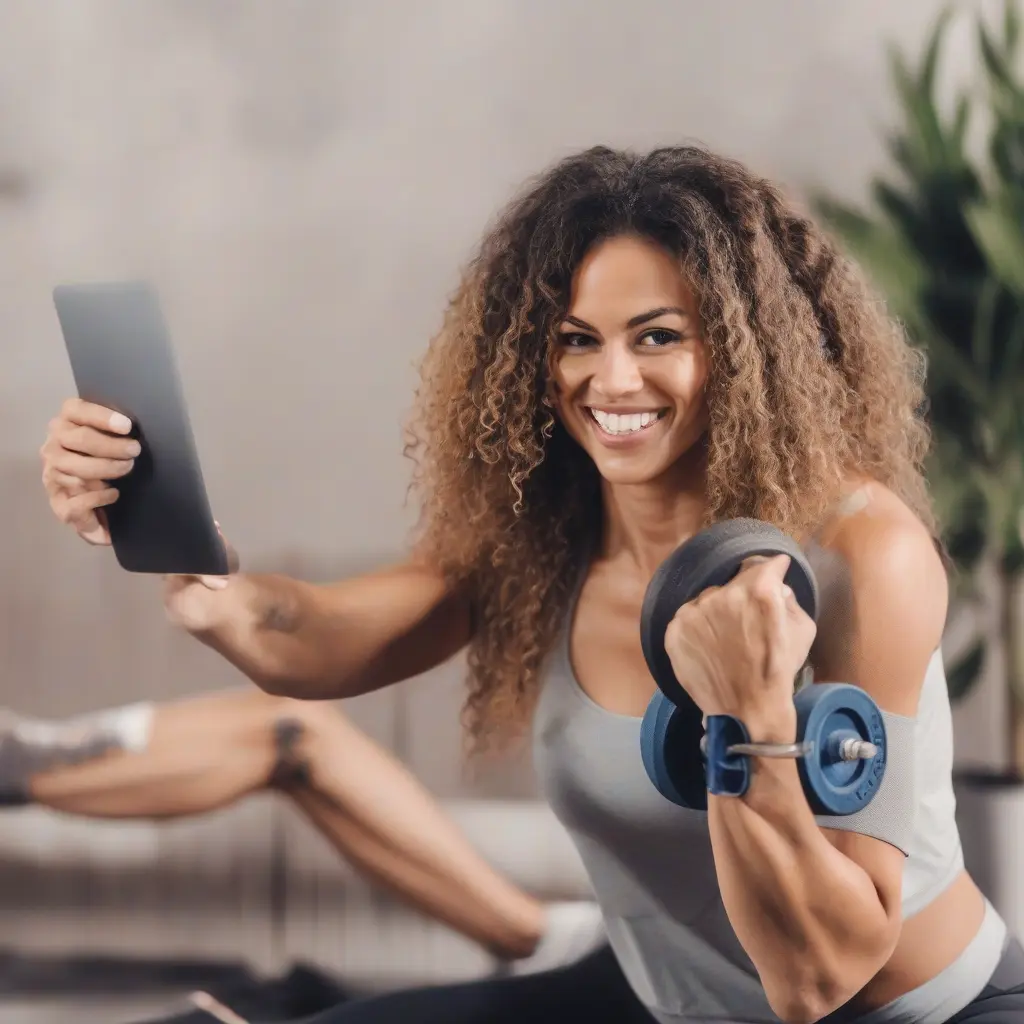
In the digital age, creating a personal brand as a remote fitness coach is more crucial than ever. This journey involves establishing trust, showcasing expertise, and effectively communicating your unique value proposition to potential clients. As the fitness industry continues to evolve with more professionals transitioning to online platforms, it’s essential to employ strategies that enhance visibility and attract the right audience. This article will explore best practices for building a personal brand, enabling you to thrive as a remote fitness coach in a competitive market.
Identify Your Niche
Focusing on a specific niche is vital for establishing your personal brand as a remote fitness coach. Identify your area of expertise and the type of clients you want to serve, whether it’s weight loss, strength training, or specialized programs for certain demographics. Specializing helps distinguish you from competitors and positions you as an authority in that area. By tailoring your content and services to meet the needs of your niche, you can attract a more engaged audience and foster stronger client relationships, which are essential for a successful coaching business.
Craft a Compelling Brand Story
Your brand story sets the stage for how clients perceive you as a fitness coach. This narrative should reflect your personal journey, motivations, and the challenges you’ve overcome to get where you are today. Sharing authentic experiences resonates with potential clients and builds emotional connections. Ensure your brand story is clear and consistent across all platforms, from your website to social media. A compelling narrative not only showcases your expertise but also encourages potential clients to identify with your story, making them more likely to choose you as their coach.
Utilize Social Media Effectively
Social media is an essential tool for remote fitness coaches to promote their brand and connect with clients. Choose platforms that align with your target audience, such as Instagram for visuals or Facebook for community engagement. Regularly post valuable content, including workout tips, nutrition advice, and client success stories, to establish authority. Engage with followers by responding to comments and participating in discussions. Consistency is key, so develop a content calendar to keep your postings regular and purposeful, helping to reinforce your personal brand over time.
Develop a Professional Website
A professional website serves as the central hub for your personal brand as a remote fitness coach. It should feature a user-friendly design, informative content, and clear calls to action. Include sections that highlight your services, testimonials, and a blog where you regularly share fitness tips and insights. An optimized website not only enhances your credibility but also improves your visibility in search engines. Implementing SEO best practices, such as keyword integration and mobile optimization, ensures that potential clients can easily find you online.
Offer Free Value-Added Content
Providing free, value-added content is an effective strategy for building your brand and attracting potential clients. Consider creating ebooks, workout guides, or video tutorials that address common fitness challenges. By offering valuable resources, you demonstrate your expertise and willingness to help, which can lead to client trust and loyalty. Additionally, free content can serve as a lead magnet, encouraging visitors to subscribe to your newsletter or follow you on social media, expanding your reach and fostering a community around your brand.
Leverage Client Testimonials and Success Stories
Client testimonials and success stories can significantly boost your personal brand’s credibility. Gather feedback from clients after completing your programs and ask for permission to share their experiences publicly. Successful transformations frequently serve as powerful testimonials that can motivate potential clients and build trust in your coaching methods. Incorporate these stories into your marketing materials, website, and social media platforms. Visual evidence of client success can amplify your brand message and encourage others to engage with your services.
Network and Collaborate with Other Professionals
Networking is an invaluable component of building a personal brand in the fitness industry. Seek opportunities to connect with other fitness professionals, nutritionists, and health influencers. Collaborative projects, such as joint webinars or social media campaigns, can broaden your audience and enhance your credibility. Attend industry-related events, whether virtual or in-person, to establish relationships and learn from others in your field. Building a supportive network not only enriches your coaching experience but also opens doors to new opportunities for brand promotion.
Continuously Improve Your Skills
As a remote fitness coach, staying updated with the latest trends and research is crucial for maintaining a strong personal brand. Invest in your professional development by pursuing additional certifications, attending workshops, or joining relevant online courses. Knowledge enhances your credibility and equips you to offer the best possible services to your clients. By demonstrating a commitment to continuous improvement, you reinforce your expertise and maintain a competitive edge in a rapidly evolving industry.
Monitor Your Brand Reputation
Regularly monitoring your brand reputation is essential for successfully managing your personal brand. Utilize tools like Google Alerts or social media analytics to track mentions of your name and assess public perception. Be proactive in addressing any negative feedback or misrepresentations that may arise. Engaging with your community and maintaining open communication can significantly improve your brand’s reputation. By staying attuned to how clients perceive you, you can ensure that your online presence aligns with your values and the image you wish to project.
Conclusion
Building a personal brand as a remote fitness coach involves strategic planning and consistent effort. By identifying your niche, crafting a compelling brand story, and leveraging various marketing tools, you can effectively reach and engage your target audience. Focus on providing value, enhancing your skills, and maintaining a solid reputation, and you will foster a brand that attracts and retains clients. In a competitive landscape, a well-defined personal brand can differentiate you and lead to long-term success in your coaching career.