

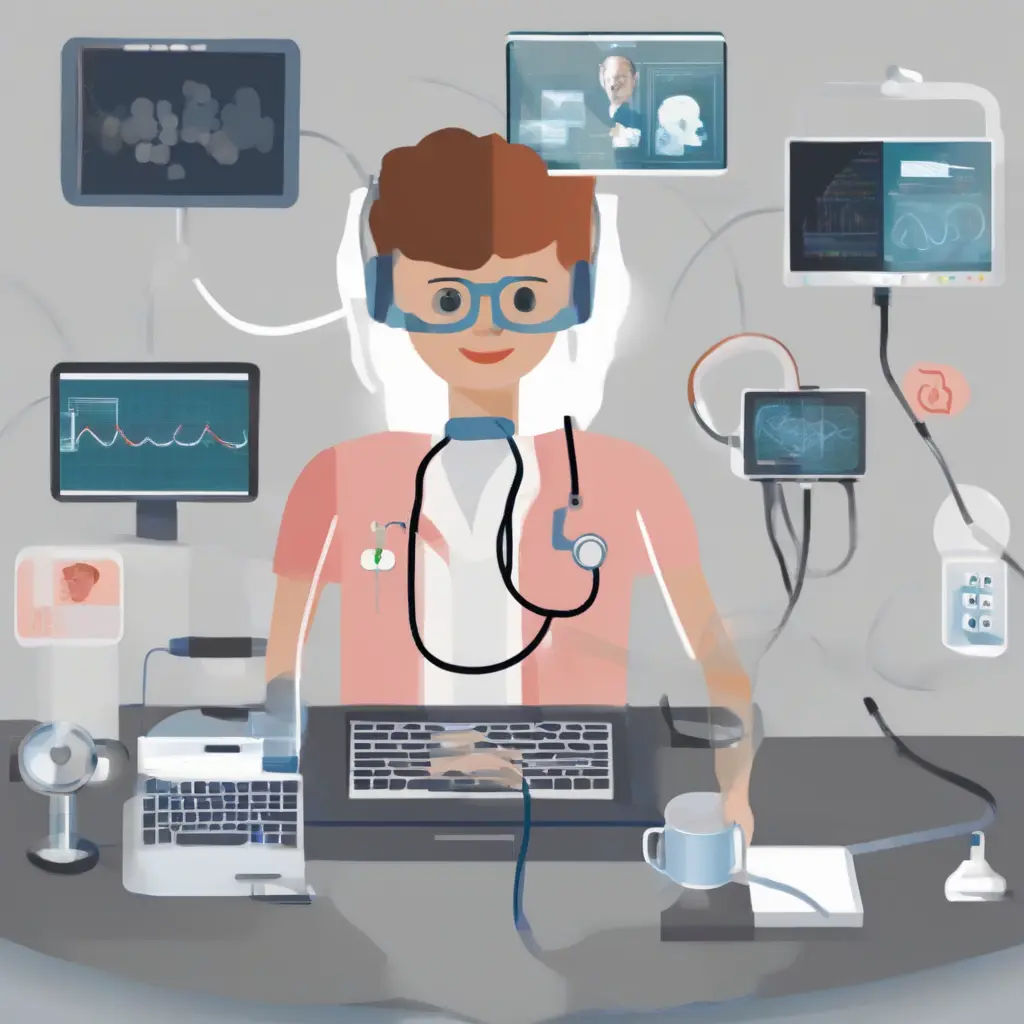
Telehealth has rapidly transformed the healthcare landscape, especially in recent years. Offering both convenience and innovative solutions, telehealth enables patients to connect with healthcare providers via digital platforms. This rise in virtual care presents numerous opportunities for individuals seeking to enter the digital medical workforce. As healthcare continues to integrate technology, the demand for qualified professionals in telehealth is expected to increase. Understanding this trend is vital for those wishing to explore this dynamic sector.
Understanding Telehealth
Telehealth encompasses a wide range of services, including virtual consultations, remote patient monitoring, and mobile health applications. It allows healthcare providers to deliver care efficiently while catering to patient needs from a distance. This evolution in healthcare services not only improves accessibility but also enhances the overall patient experience. As technology advances, telehealth continues to integrate with traditional healthcare practices, making it an essential component of modern medical care.
Growth in Telehealth Demand
The demand for telehealth services has surged, particularly due to the COVID-19 pandemic, which necessitated remote care solutions. A significant increase in users seeking virtual appointments emphasized the effectiveness and convenience of telehealth. This shift toward digital medical services reflects a broader trend in consumer preferences for convenience, leading many healthcare providers to adopt telehealth solutions. As public awareness continues to rise, telehealth is likely to become an integral part of healthcare delivery.
Key Opportunities in Digital Medical Work
The rise of telehealth presents various job opportunities within the digital medical workforce. Roles range from telehealth coordinators and remote patient advocates to providers and tech support specialists. These positions require different skill sets, creating space for professionals from various backgrounds to enter the field. The flexibility of remote work in telehealth allows individuals to maintain work-life balance while contributing to an essential aspect of healthcare.
Telehealth Technologies and Innovations
Technological advancements have played a crucial role in the evolution of telehealth. Innovations such as artificial intelligence, machine learning, and wearable devices are enhancing the telehealth experience for both patients and providers. These technologies facilitate more accurate diagnoses and effective treatment plans, showcasing the importance of staying abreast of emerging tools and software in the telehealth sector. Understanding these innovations can be a significant advantage for those looking to thrive in digital medical work.
Regulatory Considerations in Telehealth
As telehealth expands, understanding the regulatory landscape becomes increasingly important. Telehealth is subject to various laws and regulations that vary by state and country, particularly regarding patient privacy and data security. Compliance is critical for maintaining trust and credibility in the field. Professionals entering the telehealth space should familiarize themselves with telehealth regulations to navigate the complexities of providing remote care seamlessly and legally.
Essential Skills for Telehealth Professionals
Individuals seeking careers in telehealth should focus on developing essential skills that are highly valued in this digital workspace. Strong communication skills, technical proficiency, and empathy are vital for effectively engaging with patients remotely. Additionally, an understanding of healthcare practices and telehealth technologies can enhance job performance. Developing these skills not only prepares individuals for various roles but also supports the delivery of excellent patient care.
Impact of Telehealth on Patient Care
Telehealth significantly impacts patient care by improving accessibility and convenience. Patients can consult healthcare providers without geographical barriers, making it easier for those in rural or underserved areas to receive care. Moreover, telehealth reduces waiting times and helps in managing chronic conditions more effectively. As telehealth continues to expand, its role in ensuring patient satisfaction and health outcomes cannot be overstated.
Continued Growth Prospects for Telehealth
As society becomes more reliant on technology, the future of telehealth appears promising. Continuous advancements in technology and expanding internet access are likely to drive further integration of telehealth into everyday healthcare practices. Additionally, increased acceptance of virtual care among patients and healthcare providers foreshadows sustained growth. For professionals, this environment presents opportunities to innovate and adapt to changing healthcare needs.
Conclusion
In conclusion, the rise of telehealth provides numerous opportunities in digital medical work, catering to a growing demand for accessible healthcare solutions. As technology continues to evolve, professionals in this field must be prepared to adapt to changes and embrace new innovations. With the right skills and knowledge, individuals can thrive in the expanding telehealth landscape, contributing to the future of healthcare.