
Graphic design is an exciting and dynamic field that blends creativity with technology. For those looking to start a digital creative career, understanding the basics of graphic design is crucial. This article provides a comprehensive guide to help aspiring designers navigate their journey, focusing on essential skills, tools, and resources. By exploring various avenues of graphic design, including an overview of career paths, portfolio development, and continuous education, you can set a strong foundation and gain the knowledge needed to thrive in this competitive industry.
Understanding the Basics of Graphic Design
Before delving into a graphic design career, it’s essential to understand its core principles. Graphic design encompasses various visual communication methods, focusing on typography, color theory, layout, and imagery. Keeping these principles in mind will help you make informed design choices and create compelling visuals. Successful graphic designers understand how to combine these elements harmoniously, ensuring their designs not only attract attention but also convey the intended message. Familiarizing yourself with these fundamentals is a crucial step in launching your graphic design career.
Key Skills Required for Graphic Designers
To excel in graphic design, you must develop a set of essential skills. Proficiency in software applications such as Adobe Creative Suite, including Photoshop, Illustrator, and InDesign, is critical for any designer. Additionally, strong visual communication skills, creativity, and the ability to conceptualize ideas are necessary to convey messages effectively. Time management and organizational skills also play a vital role, as designers often juggle multiple projects with varied deadlines. By honing these abilities, you increase your chances of success within the graphic design field.
Choosing the Right Design Software
Selecting the appropriate design software can significantly impact your workflow and creativity. Industry-standard tools like Adobe Creative Suite remain popular for their comprehensive features and capabilities. However, numerous alternatives, such as Sketch, Affinity Designer, and Canva, cater to different skill levels and budgets. When starting, consider experimenting with various tools to find the one that best fits your design style and preference. Mastering your chosen software will not only enhance your skills but also streamline your creative process.
Essential Design Tools for Beginners
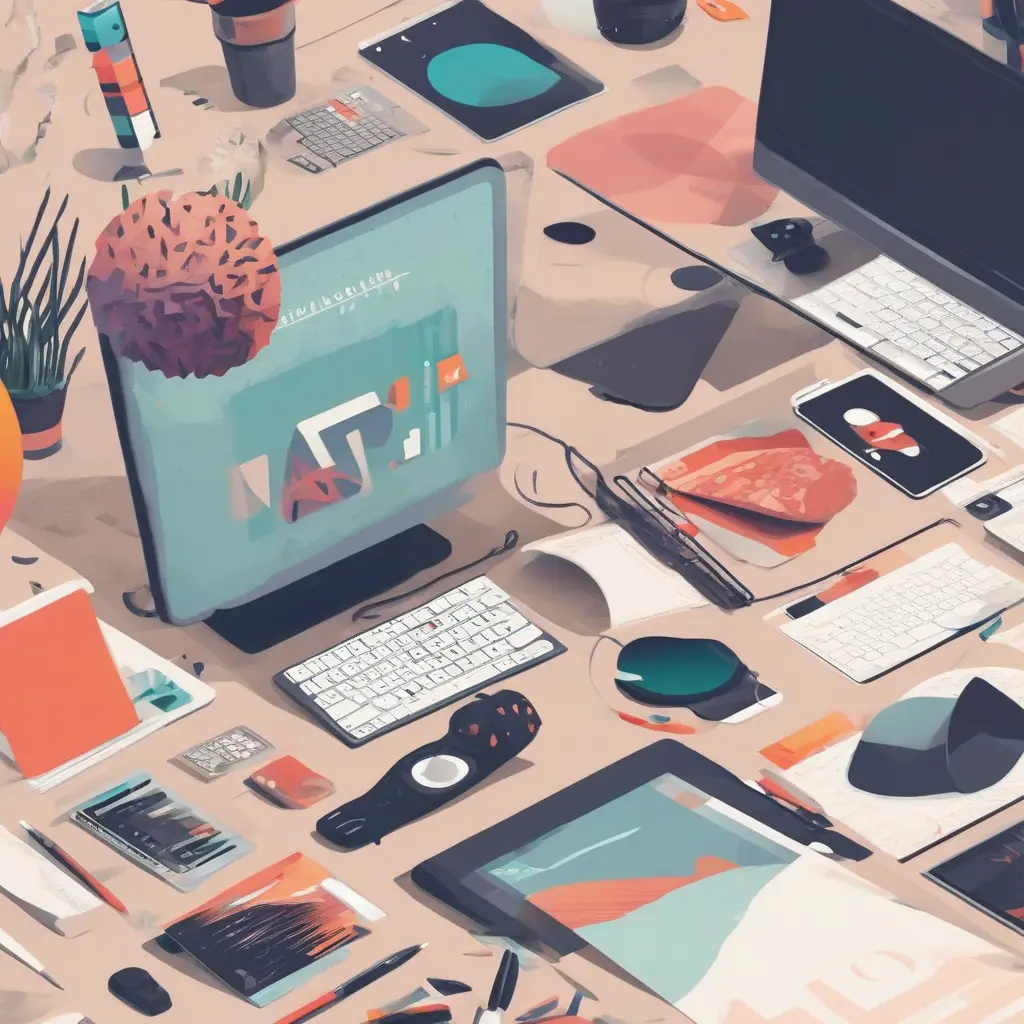
In addition to software, having the right design tools is vital for success as a graphic designer. A reliable computer is the first and foremost requirement, providing the power necessary for resource-intensive programs. A graphic tablet can also be a game-changer for illustration and detailed design work, allowing for more natural drawing experiences. Other tools, such as color pickers, font management systems, and stock photo subscriptions, can further enhance your workflow and design outcomes. Investing in quality tools sets a strong foundation for your design journey.
Developing Your Visual Style
Establishing a personal visual style is a critical aspect of being a successful graphic designer. This process often involves exploring various design influences, experimenting with different techniques, and refining your taste over time. By studying the work of established designers and participating in design communities, you can gain insights to inform your style. Consistent practice is key; the more you create, the more your unique perspective will emerge. Developing a distinct aesthetic will help you stand out in a competitive market.
Building an Impressive Portfolio
A well-crafted portfolio is essential for showcasing your skills and attracting potential clients or employers. Begin by selecting your best work, focusing on projects that demonstrate your range and capabilities. Ensure your portfolio includes a variety of design styles and formats, such as print, digital, and branding projects. Additionally, providing context for each piece, including the objectives and your role in the project, can enhance its impact. Regularly updating your portfolio will keep it fresh and reflective of your evolving skills and design aesthetics.
Networking within the Graphic Design Community
Networking is a crucial component of growing your graphic design career. Engaging with fellow designers through online forums, social media platforms, and local design meetups offers opportunities for collaboration and learning. Attending workshops, webinars, and industry conferences can further enhance your skillset while connecting you with potential clients and mentors. Building relationships within the design community not only broadens your network but also provides essential support and inspiration as you navigate your career path.
Freelancing vs Employment in Graphic Design
When starting a graphic design career, you’ll need to decide between freelancing or seeking employment. Freelancing offers flexibility and independence, allowing you to choose projects aligned with your interests. However, it also comes with challenges, such as inconsistent income and the need for self-promotion. Conversely, traditional employment provides stability and benefits but may limit your creative freedom. Assess your personal goals and lifestyle when making this decision, as both paths possess unique advantages and challenges in the design industry.
Continuing Education for Graphic Designers
The graphic design industry is constantly evolving, with new trends, tools, and techniques emerging regularly. To stay competitive, it’s essential to commit to lifelong learning. This could involve taking online courses, attending workshops, or earning certifications in relevant software or design principles. Additionally, following design blogs, podcasts, and social media pages can keep you informed about industry trends. By prioritizing continuous education, you will not only enhance your skills but also develop a deeper understanding of the broader design landscape.
The Importance of Feedback in Design
Receiving feedback is an integral part of the creative process in graphic design. It offers insights into how others perceive your work, helping you identify areas for improvement. Constructive criticism can enhance your designs and refine your techniques, allowing you to grow as an artist. Seeking input from peers, mentors, or even clients can provide diverse perspectives and foster collaboration. Embrace feedback as an opportunity for growth, refining your artistic vision and elevating your design skills over time.
Conclusion
Embarking on a graphic design career requires a blend of creativity, technical skills, and a willingness to learn. By understanding the foundational principles, developing essential skills, and committing to continuous education, aspiring designers can build a rewarding and successful career. Utilize this guide as a roadmap for your journey, shaping your unique style while cultivating meaningful connections within the design community. With dedication and persistence, you’ll be well on your way to thriving in the world of graphic design.