
Maintaining work-life balance while working remotely can feel challenging but is essential for overall well-being and productivity. As remote work becomes increasingly prevalent, individuals must set boundaries between their professional and personal lives to avoid burnout. This article offers actionable strategies, including establishing a routine, creating a dedicated workspace, and utilizing digital tools to enhance focus and productivity. By implementing these tips, remote workers can enjoy a harmonious balance that fosters both their career ambitions and personal happiness.
Establishing a Remote Work Routine
Creating a consistent daily routine is vital for remote workers aiming to maintain balance. A structured schedule helps delineate work hours from personal time, enabling individuals to focus more effectively during work periods. Start by setting specific working hours that align with your peak productivity. Integrate breaks that involve physical activity or mental relaxation, and adhere to routines even if your environment changes. This not only increases efficiency but also promotes a distinct separation between work and leisure, which is crucial for mental health.
Creating a Dedicated Workspace
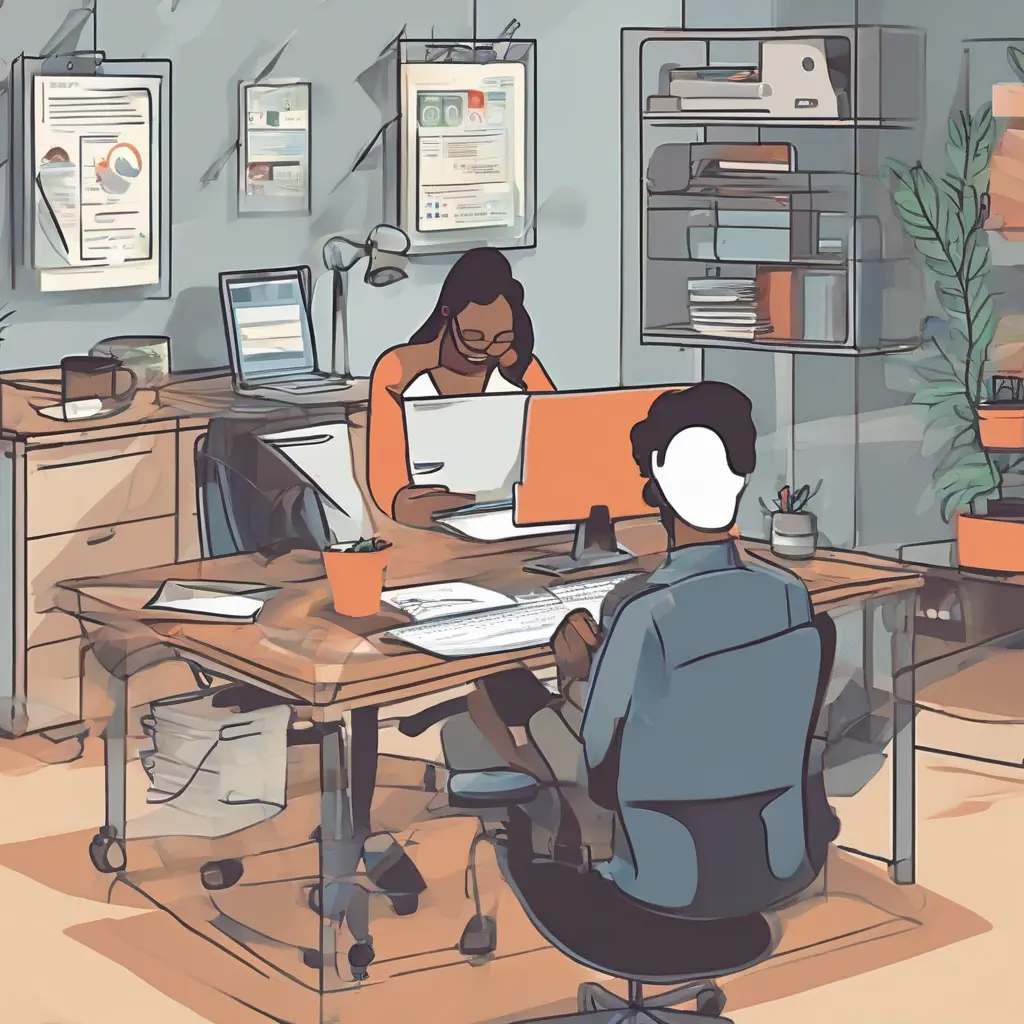
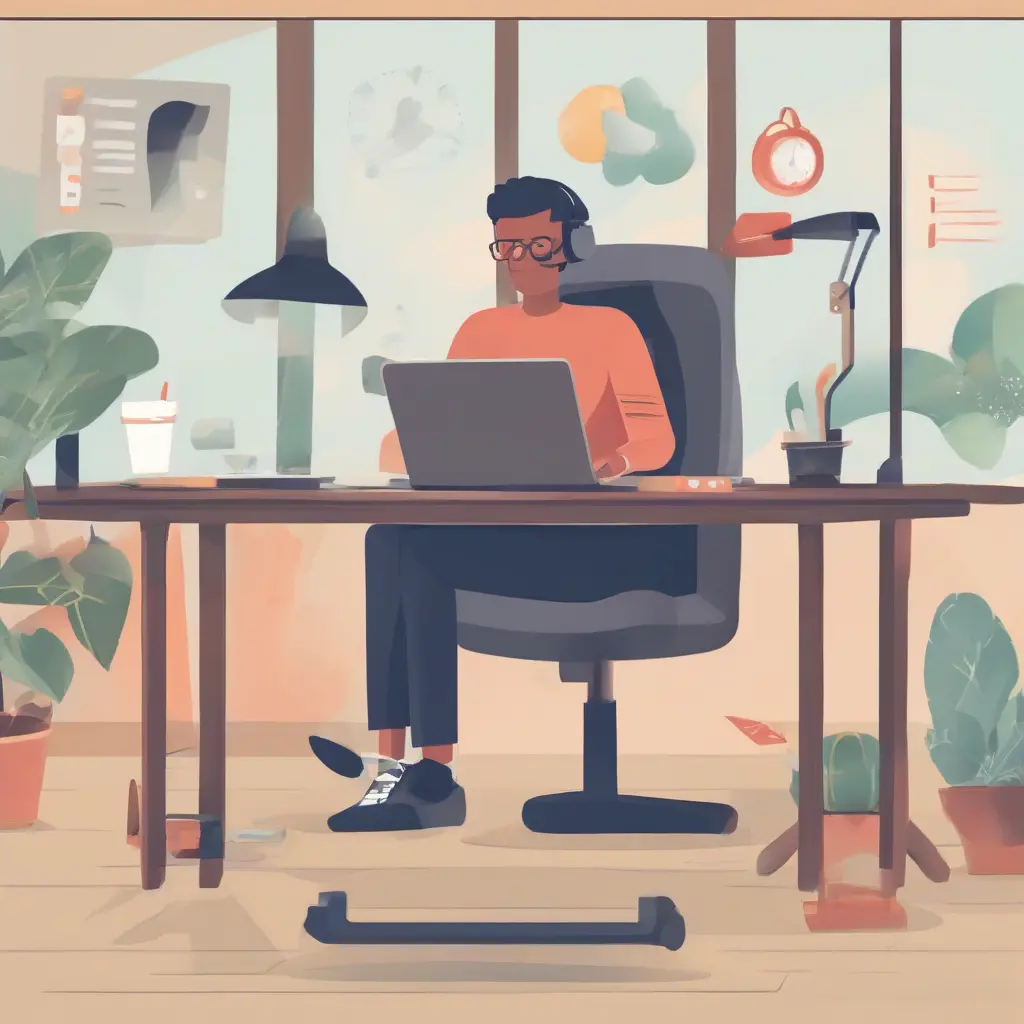
Having a designated workspace is essential for keeping the remote work-life balance intact. A separate area specifically set aside for work can significantly boost focus and productivity while minimizing distractions. Ideally, choose a space that is quiet and free from interruptions, equipped with the necessary tools and technologies. Ensure that this space is distinct from areas associated with relaxation or leisure, as this physical separation reinforces cognitive boundaries between work and personal life.
Leveraging Digital Tools for Productivity
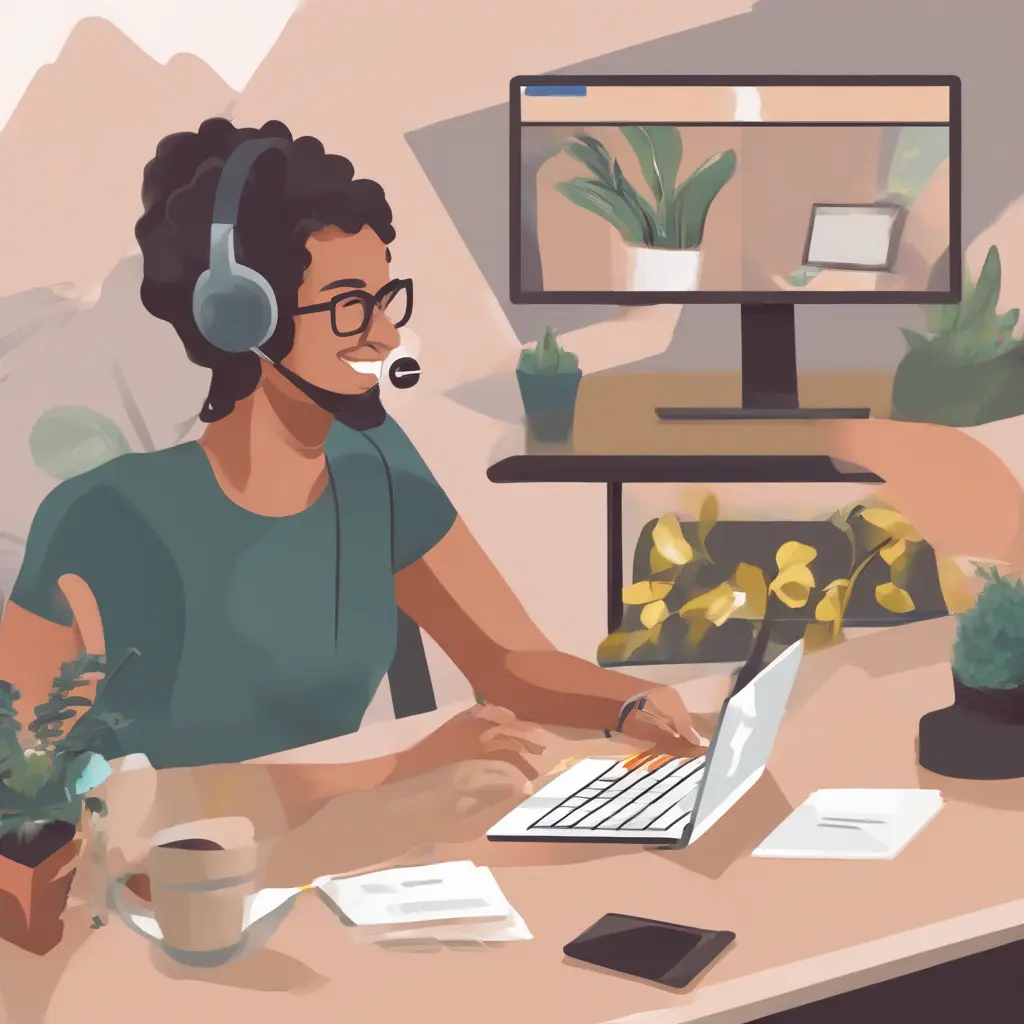
In the digital age, various tools can enhance productivity and efficiency for remote workers. Applications for project management, like Trello or Asana, can help organize tasks and prioritize deadlines. Time management tools such as Toggl can track work hours and ensure you stay on schedule. Additionally, communication platforms like Slack foster team collaboration while maintaining clarity on project progress. Utilizing these resources not only streamlines work processes but also aids in establishing a clear boundary between work time and personal time.
Setting Clear Boundaries with Colleagues
Establishing clear boundaries with colleagues is crucial for remote workers wanting to maintain a healthy work-life balance. Communicate your availability and preferred working hours to your team, ensuring they understand when you will be focused on work versus when you’re off. This can help mitigate instances of unexpected work demands after hours. Frequent check-ins with your team can also create a collaborative environment where work expectations are clarified and respected, fostering a greater sense of balance.
Disconnecting After Work Hours
Disconnecting from work after hours is critical for mental and physical well-being. Many remote workers struggle with the temptation to check emails or work on projects due to the blurred lines between home and office. Setting a clear ‘end-of-day’ routine—such as shutting down the computer or turning off work-related notifications—can signal to your brain that work has concluded. Engaging in after-work activities such as exercise, hobbies, or spending time with loved ones can help rejuvenate your spirit and maintain a healthy work-life balance.
Incorporating Regular Breaks
Integrating regular breaks into your workday is essential for sustaining energy and focus. Short breaks allow you to step away from your desk to refresh your mind, reducing fatigue and increasing productivity. Consider implementing techniques like the Pomodoro Technique, which consists of working for 25 minutes and then taking a five-minute break. Use this time to stretch, hydrate, or engage in brief physical activity. Regular breaks not only enhance performance but also promote a better balance between work and personal life.
Prioritizing Physical and Mental Well-being
Focusing on physical and mental well-being is fundamental when working remotely. Regular exercise, a balanced diet, and sufficient sleep are critical components that support both physical health and cognitive function. Additionally, mindfulness practices such as meditation can help reduce stress levels and improve focus. Allocating time for self-care activities is vital to prevent feelings of isolation and burnout, ensuring you remain energized and engaged in both work and personal aspects of your life.
Engaging with Your Team Spiritually
Maintaining connections with your team is essential in a remote work setting. Engaging regularly through virtual meetings or informal catch-ups can promote team spirit and contribute positively to your work-life balance. Organizing team-building activities, even online, helps build relationships that may otherwise fade in a remote environment. These connections provide a support network, reducing feelings of loneliness and isolation, which can adversely impact your well-being and job satisfaction.
Exploring Flexible Scheduling
Flexible scheduling can be a game-changer for remote workers aiming to cultivate work-life balance. Many companies offer options to adjust your hours based on personal commitments, allowing you to integrate work with familial or personal needs. Communicating flexibility with your manager or team can enable you to prioritize tasks more effectively. By taking advantage of a flexible schedule, you can navigate your responsibilities more smoothly, enhancing overall satisfaction with both work and life.
Conclusion
Achieving work-life balance while working remotely involves intentional effort and the application of effective strategies. By establishing a routine, creating a dedicated workspace, and fostering team connections, remote workers can enhance their productivity and well-being. Ultimately, recognizing the boundaries between work and personal life is essential for a fulfilling remote work experience that benefits both your career and personal growth.